
- Aashirvad-Hearing-Care's Blog
- Log in or register to post comments
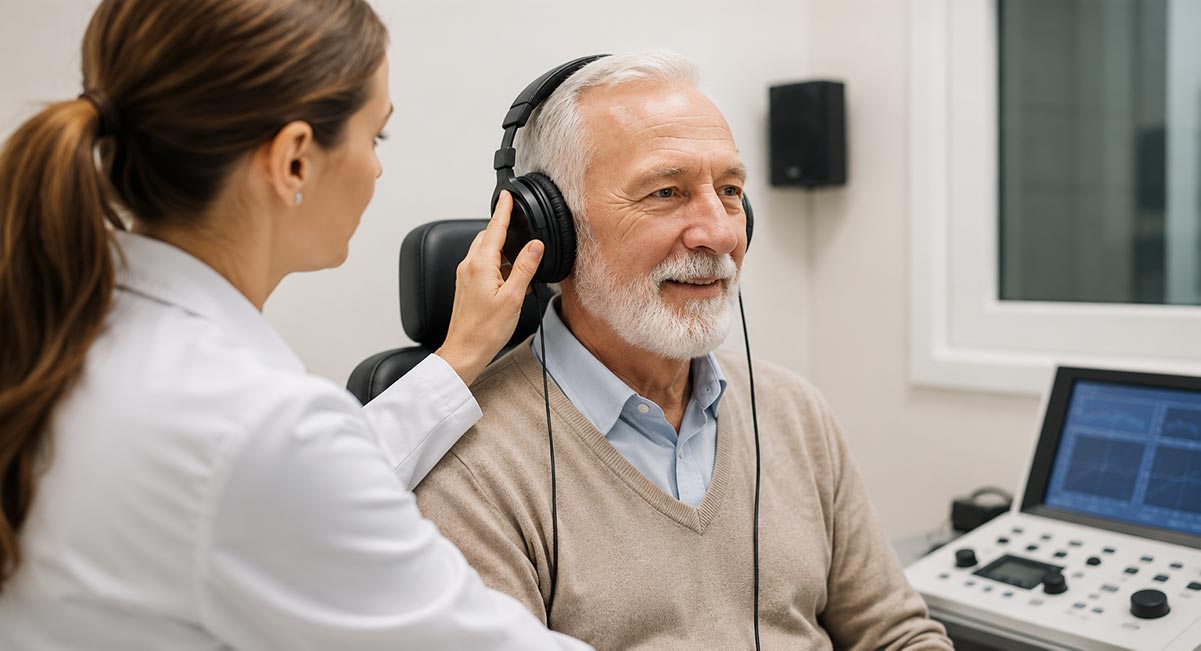
Many individuals experience changes in their hearing before they seek assistance which are subtle. It may feel like your voice isn't heard, background noise may get louder or more distracting, or you might be turning up the TV louder more often. The first step is to get a proper hearing test to determine the state of your hearing and what to do if there is a hearing problem.
Initial Consultation
Typically, your hearing test will start with a discussion of your hearing loss, medical history, and lifestyle. The audiologist might ask if you noticed any hearing problems at an early age, if you have ever heard tinnitus (a ringing in the ears) or if you have heard loud sounds regularly. This is information that can be used to detect potential causes of hearing loss.
Ear Examination
The audiologist will use a small instrument called an otoscope to check your ears before the hearing test begins. This lets them be able to examine for ear wax, ear infections or any other issues that may have an impact on your hearing. In some cases, it may be enough to resolve these to improve hearing without additional treatment.
Pure-Tone Hearing Test
The pure tone audiometry test is one of the most frequently used tests during a hearing evaluation. You will listen to sounds with various frequencies and intensities and will wear headphones. A tone will be sounded every time to which you will respond, typically by pressing a button or raising your hand.
Speech Understanding Assessment
Hearing is not only the ability to perceive sounds, it is also the ability to understand speech. In this section of the test you will hear words or sentences and repeat them. This is a good way to assess your ability to listen to speech in quiet and, at times, noisy circumstances.
Review of Results
Once the tests have been finished, the audiologist will discuss the results with you using an audiogram, a chart that displays your hearing levels. They will talk about your hearing level and whether you have hearing loss or not.
The Value Of Routine Hearing Tests
Early identification of a hearing loss can help avoid communication problems and enhance the quality of life. The importance of regular hearing tests is particularly crucial for older people and people working in noisy places.
If you've experienced hearing changes, a professional hearing test can help you understand what is actually happening and help you take the next step towards improving your hearing health.