
- Aashirvad-Hearing-Care's Blog
- Log in or register to post comments
The technology of hearing aids in the year 2026 will be a significant overhaul of the simple sound amplification to an intelligent, connected, and highly customized hearing aid. New technologies are meant to not only enhance hearing but also to make life better, comfortable and increase the long-term well being of the brain. The following are the major innovations that will define the hearing aid industry in 2026.
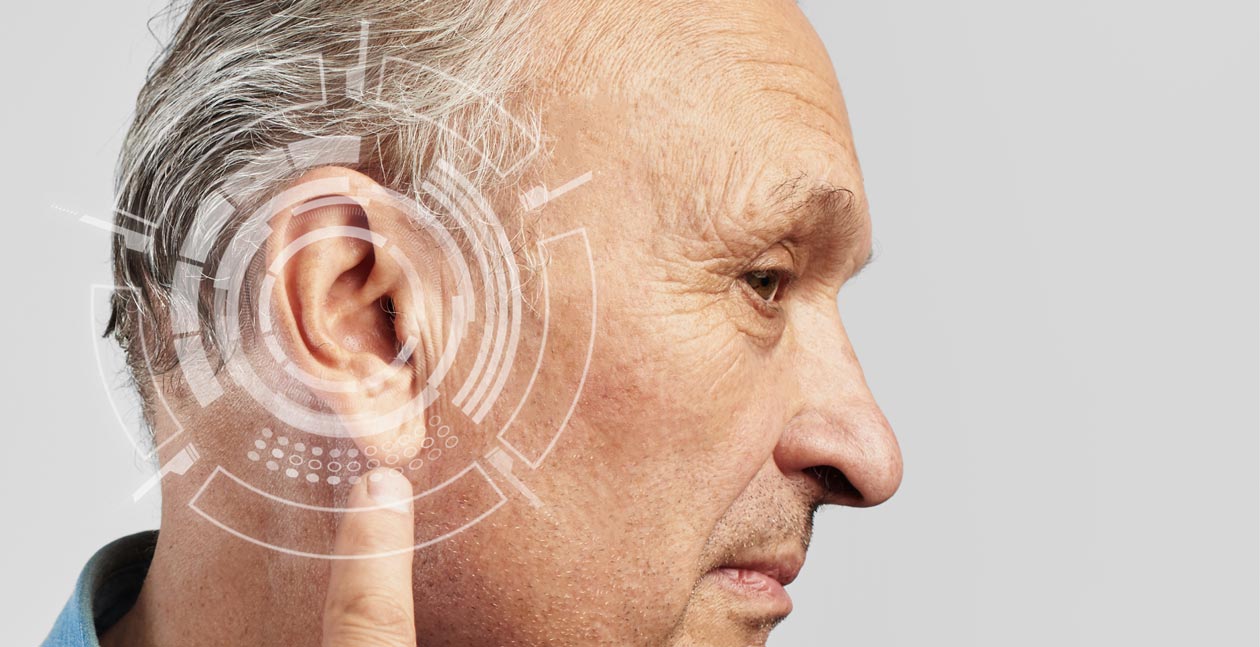
Sound Processing With Artificial Intelligence
In 2026, advanced hearing aids have been based on AI. These gadgets constantly scan the immediate environment of the area, such as Speech, background noise, wind, and movement, and automatically manage sound settings as per the current conditions. In comparison with previous models, which used manual software, AI-driven hearing aids can adapt to user preferences with time, which provides better audibility in the noisy environment (restaurant, office, and transport). This is a big decrease in the fatigue of listening and understanding speech during the day.
Bluetooth LE Audio and Auracast Connectivity
Bluetooth LE Audio connectivity has taken a new dimension with better sound streaming and low battery use. One of the most significant releases in 2026 is Auracast, which can enable public places like airports, theaters, and conference rooms to transmit sound to compatible hearing aids. People are able to get announcements or presentations directly into their devices, which makes the open areas much more open.
Size-crunchier, Smaller Designs
Hearing aids of the future (2026) are also a lot smaller and more comfortable. Invisible-in-canal (IIC) and completely-in-canal (CIC) designs are gaining popularity providing powerful performance in discrete formats. The models that are behind the ear have also been made thinner and much lighter without losing the good sound output. These design advantages aid in the minimization of stigma and prompt implementation of hearing solutions.
Highly developed Rechargeable Technology
Disposable batteries are fast becoming out of use. A majority of the hearing aids are currently designed with rechargeable batteries that have a fast charge that can support all day with only several hours of charging. Other high-end models have quick-charge, which means that the model can provide several hours of utilization after just a few minutes in the charging case. This is very convenient to elderly people and busy users.
Intelligent Health and Wellness Functionality
Hearing aids in 2026 are transforming into health-support aids. Physical activity, listening habits and environmental exposure are tracked using built in motion sensors and data tracking functionality. This information can also be used to inform wellness on a larger scale and promote the use of hearing aids regularly, which is increasingly associated with cognitive functioning and social interaction.
Fluent Smartphone Apps Integration
New hearing aids are linked easily with smartphone applications, enabling the wearer to develop the volume, sound features, and noise easily. Audiologists can also remotely fine-tune with many apps, without the need to visit the clinic. Ultimate voice-assistance compatibility also increases the control hands-free and convenience in everyday life.
Individualized Customization and Adaptive Learning
Individuality in hearing aids is a characteristic of 2026 hearing aids. Devices are installed with highly advanced algorithms that consider the personal hearing loss patterns, ear shape and lifestyle requirements. The hearing aids also become self-adaptive to enable enhanced performance to various environments as time goes by without the need to be manually adjusted.
These innovations are being led by the leading brands of Phonak, Oticon, Signia, Starkey, and Widex, all on the basis of intelligence, connectivity, and user comfort.
Conclusion
Hearing aids are not just medical gadgets anymore, in 2026, it is a smart, adaptable, and lifestyle-enhancing technology. Intelligent sound processing through AI and strong connectivity, sleek designs and health conscious, the current hearing aids provide a more natural and confident hearing experience than any other time.